


NP Wendys & Nutec Houses

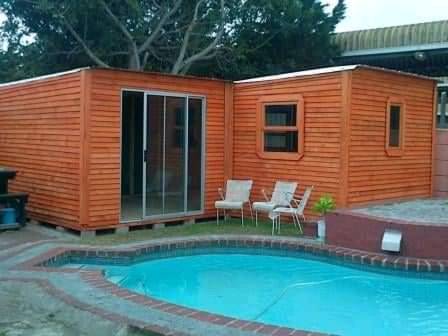

No obligation, just the benefit of our experience and knowledge to help you get started on your wendy house. Whatever stage you are at we will help guide you on materials, location, planning, and costs. And all with absolutely no obligation to finally use our service, and its all for free.
Just take the one little step of pressing the button and lets start you towards making your Wendy house a reality.
How do you prefer to contact us?
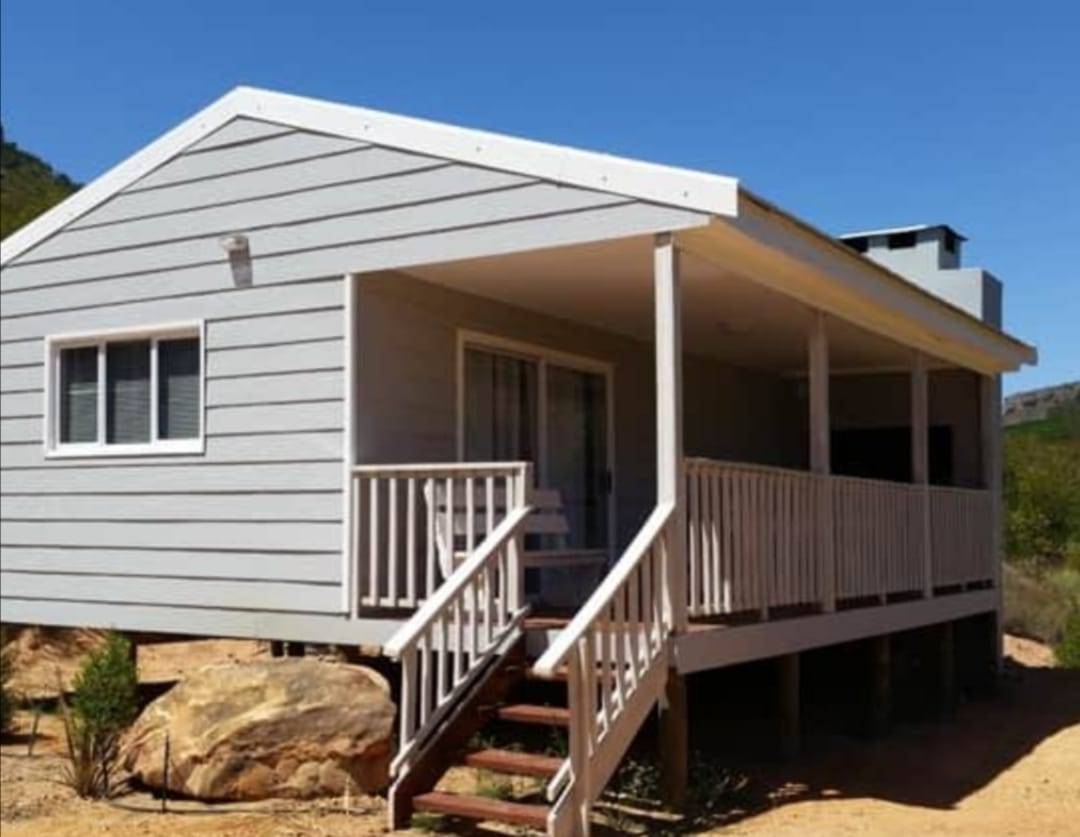
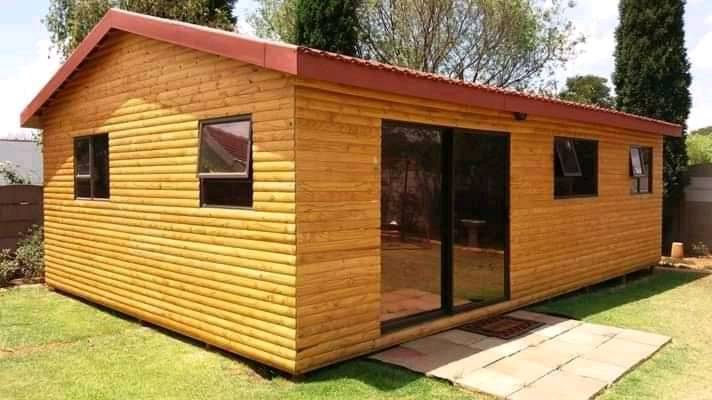

If your Wendy house needs lights, plugs, and even its own distribution board we can do that- for home offices, workshops, studios, and fully finished homes. All work is safe, complies with SABS and local building codes, and is done by a qualified professional. Certified and guaranteed.
Let our qualified expert electricians take the stress out of turning your Wendy house on.
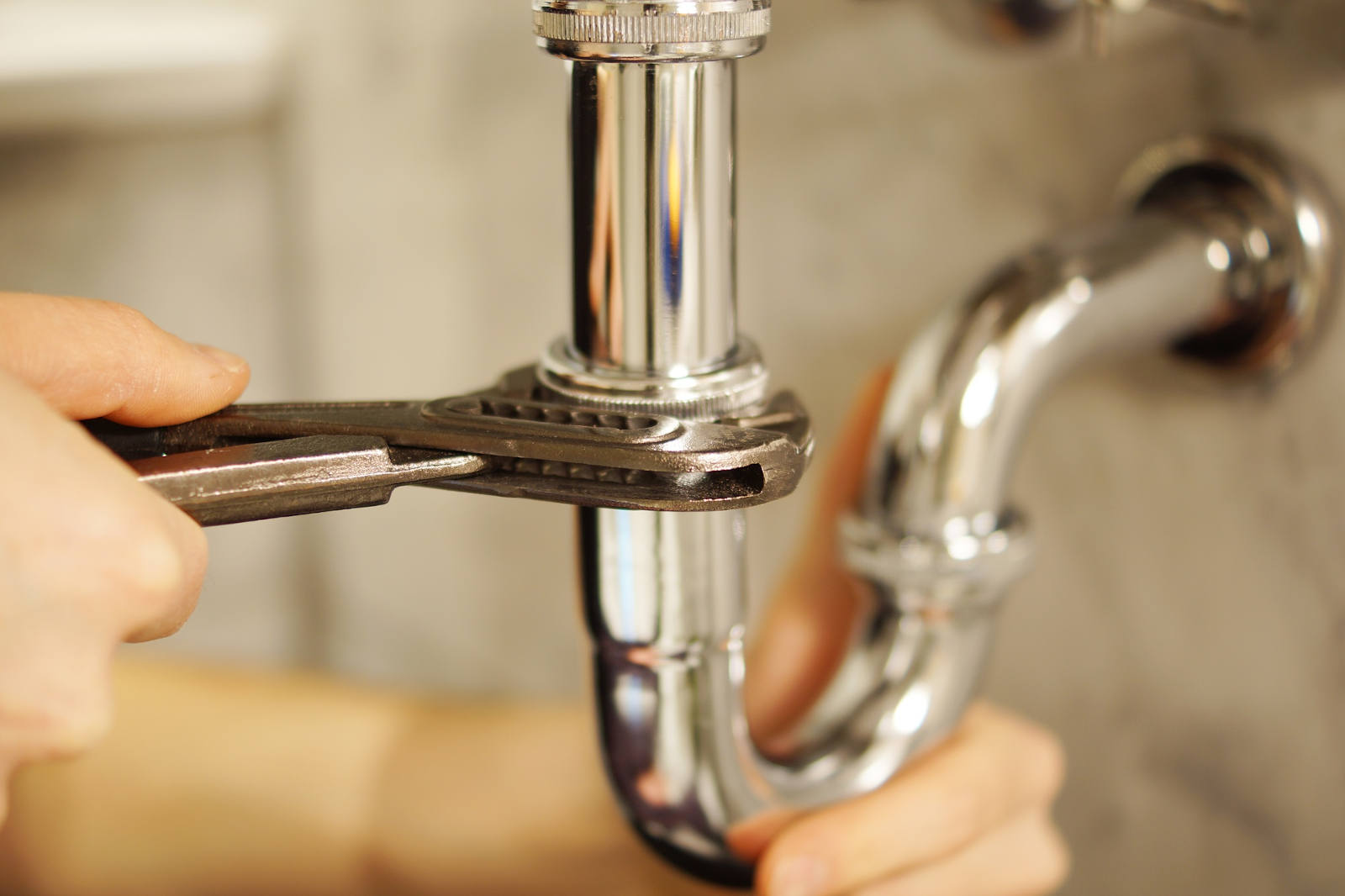
If your wendy house, nutec home, studio, pool house, or home office needs a kitchen, toilet, shower, geyser or any other water related installation ou qualified, professional plumbers can tackle the job. We can link up to municiple water supplies, and sewerage systems including all necessary ground works.
All work is done by qualified professional plumbers and complies with SABS and local building regulations. It is legal, certified, and guaranteed.
A solid wooden frame is sandwiched between plywood or particle boards to create a strong, rigid pallet style of floor. This is then supported on brick columns.
This is the standard and most common type of flooring for a Wendy house or garden shed. It is the most cost effective and the least permanent. This makes it easier for planning approval, and makes it possible to quite easily move the whole structure if required.
The compromise is that structures are not as solid and rigid as permanent foundations- there will always be a slight movement and flex in the floor.
Long, wide, solid, treated timber poles are driven into the ground creating stilts that a wooden pallet floor is built on top of.
Wooden pole foundations are perfect for heavily sloped sites (certainly cheaper and easier than creating a retaining wall system and filling in), if the ground is unsuitable for building on, or to elevate the Wendy house (to gain better views, or to avoid flooding, for example).
Wooden poles tend to be for specialist applications as outlined above rather than the norm, and more suited to live-in structures such as cabins and small homes. The resulting floors are slightly more rigid than a pallet floor but its still a wooden floor- some spring is to be expected.
A thick, reinforced, concrete slab that complies with SABS is laid on the ground and leveled to create a solid base on which a timber frame can be built. If the ground is sloped a retaining wall will be necessary, with most of the hole back filled before the slab is laid.
A concrete slab is the most solid foundation type normally used for Wendy houses. It is recommended in applications where the Wendy house is to be used on a frequent basis- such as if it is a residence, studio, or home office.
The downside is that it is more expensive and creates a permanent structure. The latter will have implications for planning applications, and obviosly it is not as easy (though not impossible) to move the structure at a later date.
Sometimes called an 'A-frame' roof, this is a traditional shape of roof. It slopes upwards from two parallel sides of the Wendy house meeting at an apex usually in the middle of the structure.
A pitched roof allows for a steeper angle (or pitch). This means that water runs off faster, and the inside of the Wendy house can look like it has more space (though a ceiling can be created using rhino board). Pitched roofs also tend to be more aesthetically pleasing.
Whilst a better roof, they do tend to be slightly more costly than flat roofs.
This is a misleading term- it isn't a completely flat roof. A shallow angle is created by making one side of the Wendy house higher than the other creating a slope (pitch) so that water runs off one way.
A flat roof is somewhat easier to construct, relying on simple beams for support rather than complicated joinery to make a-frames. This makes a flat roof more economical- however, run off is not as efficient.
A lower pitch also makes for a lower profile building, which can be of immense benefit if you are trying to not block the view of surrounding building, or keep below height restrictions due to planning requirements.